
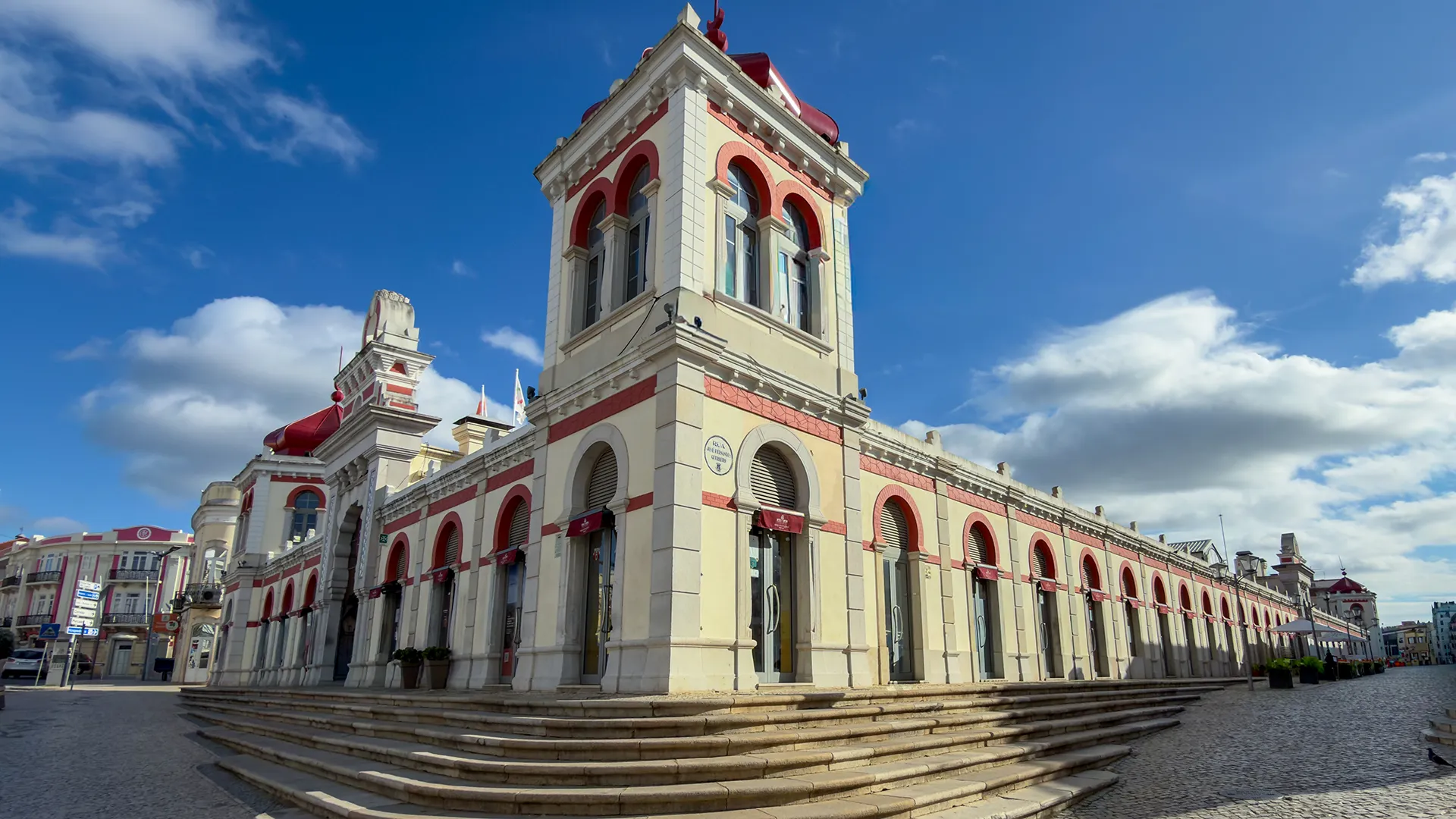
In the Algarve, winter changes the pace—but not everywhere in the same way. On our first morning in Loulé, that difference was immediate. Loulé in winter offers a slower, more local view of the Algarve—one shaped by market mornings, historic streets, café terraces, and the rhythms of everyday Portuguese life.
We visited Loulé three times during our winter stay in the Algarve, travelling from our base in Albufeira to experience the town on different days and at different times.
Along the coast, towns shift. Some quiet down. Others feel like they’re waiting for something to begin again. But inland, in places like Loulé, there’s no reset. Life continues, steady and grounded, shaped less by visitors and more by routine.
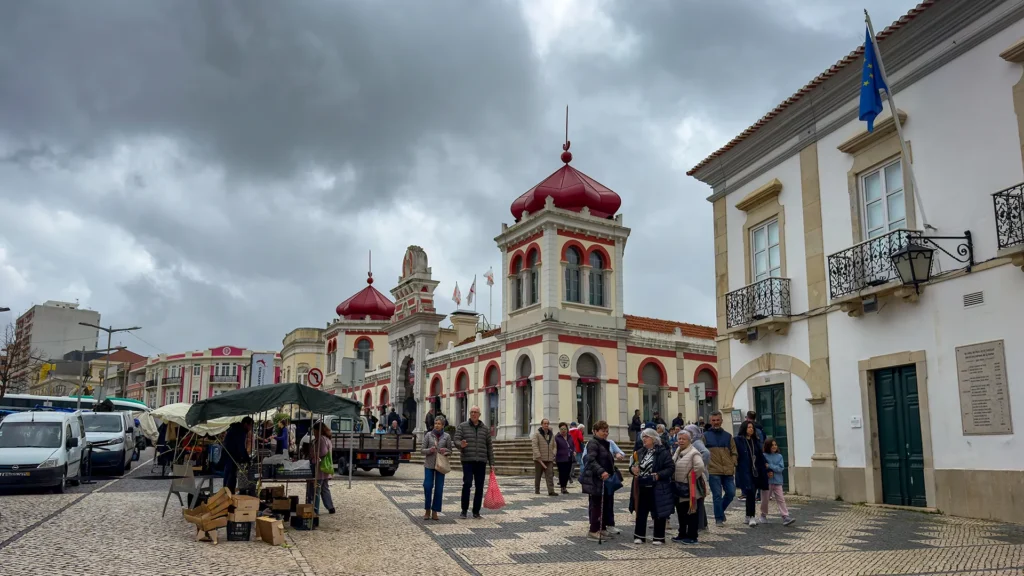
That’s what makes Loulé in winter worth your time. Not because there’s more to see—but because there’s less between you and the place itself.
For a broader perspective, this fits naturally within a wider look at Portugal in winter.
Loulé in winter offers a different way into the Algarve—quieter, yes, but more importantly, more connected to daily life. It tends to resonate most with slow travelers, repeat visitors, and anyone curious about what everyday life in Portugal actually feels like beyond the coast.
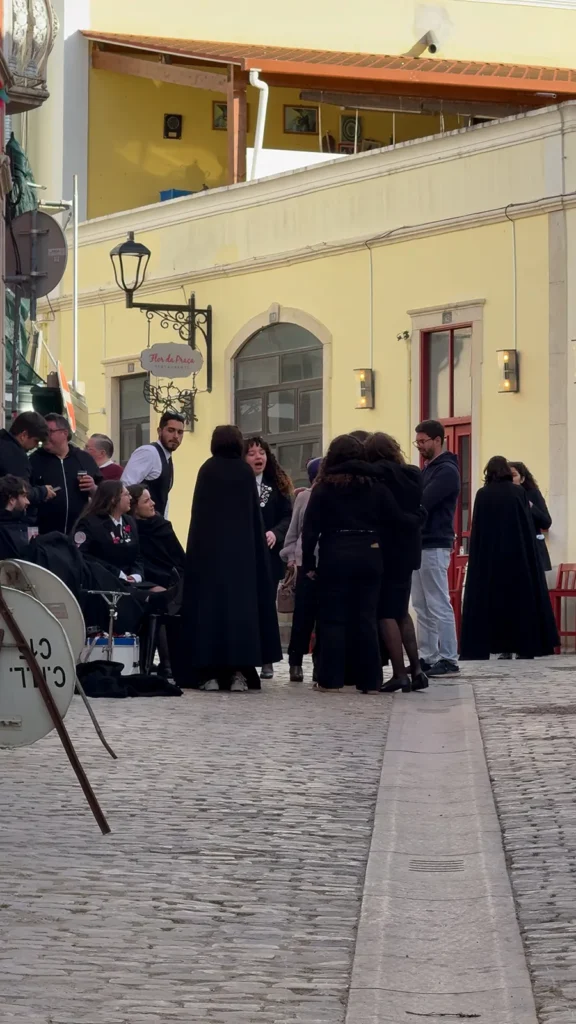
Loulé in winter at a glance:
Loulé is worth visiting in winter for its working market, compact historic centre, cafés, museums and distinctly local atmosphere. It is best visited in the morning—particularly on Saturday market day—because the outdoor producer market and many surrounding shops wind down by early afternoon.
Why Visit Loulé in Winter?
If your experience of the Algarve has been shaped by the coastline, Loulé offers a different perspective entirely.
Here, winter isn’t about beaches, resort promenades, or seasonal entertainment. It is about market mornings, cafés that still fill with regulars, shops following local hours, and streets that feel active without being crowded.
That makes Loulé especially rewarding for slow travelers, repeat Algarve visitors, and anyone curious about everyday life beyond the coast.

The Mercado de Loulé: The Heart of the Town
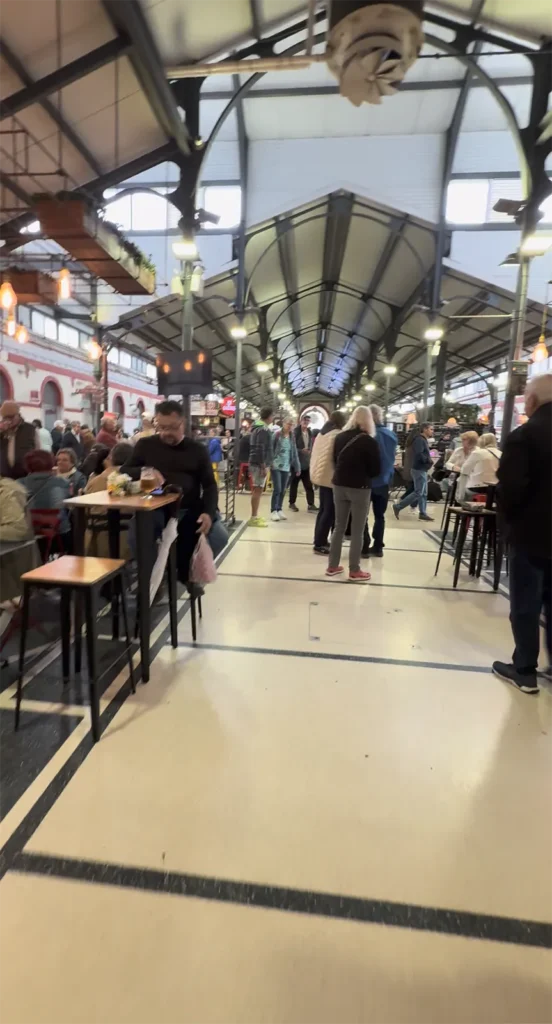
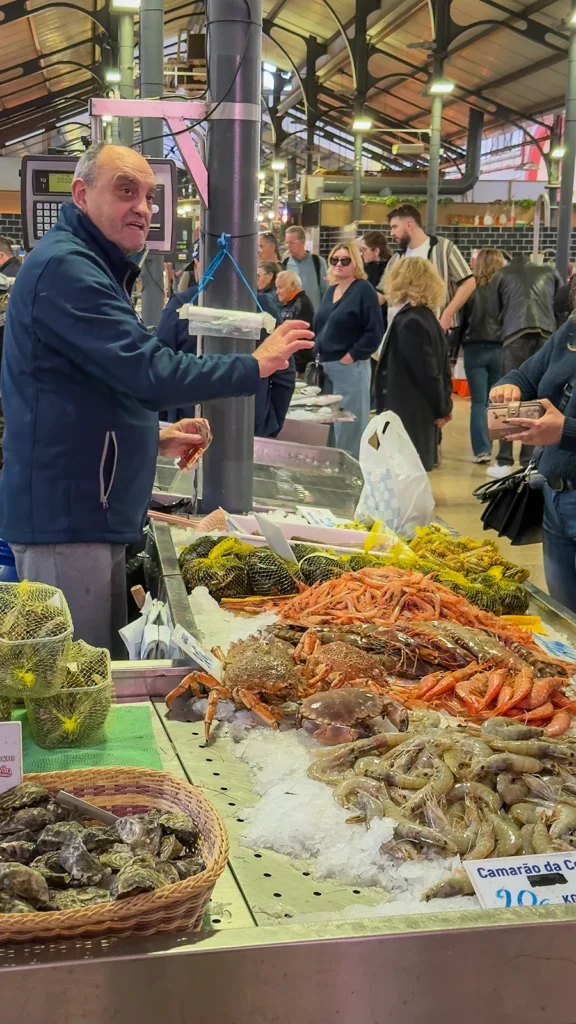
At the center of that continuity is the Mercado de Loulé. On a Saturday morning, I found myself stepping aside near the produce stalls just to watch the rhythm settle in.
From the outside, its distinctive red façade stands out immediately. Inside, the experience shifts from visual to sensory. Fish counters, butcher stalls, fresh produce, pastries—each section contributing to a rhythm that feels more local than curated.
This isn’t a market designed for visitors, even if visitors are welcome. It’s a place where daily routines unfold. Conversations happen. Purchases are made without ceremony.
In winter, that authenticity becomes even more apparent. By mid-morning, what began as a quiet walk had shifted into something more animated, without ever feeling staged. Without the volume of peak-season traffic, the market feels less like a stop and more like a window into everyday life.
Opening Hours in Loulé: What to Expect
The Mercado Municipal de Loulé officially opens Monday to Saturday from 7 a.m. to 3 p.m. Sunday hours are less clear. The market’s current website also lists Sunday hours from 9 a.m. to 5 p.m., although other pages on the same official site still say that it is closed on Sundays. If you are planning a Sunday visit, it would be wise to verify the hours beforehand.
On Saturdays, the outdoor producers’ market takes place in the surrounding streets from 7 a.m. until 1 p.m.
Published hours do not necessarily mean that every stall remains open until the market building closes. When we arrived at around 2 p.m. on a Saturday, the outdoor market had ended, the interior vendors were also closed, and most of the nearby shops had already shut for the afternoon.
For the fullest experience, arrive by mid-morning—particularly on Saturday. You will see the indoor market and outdoor producers’ stalls while they are active, have time to explore the surrounding streets, and still be well placed for lunch before the centre settles into its quieter afternoon rhythm.
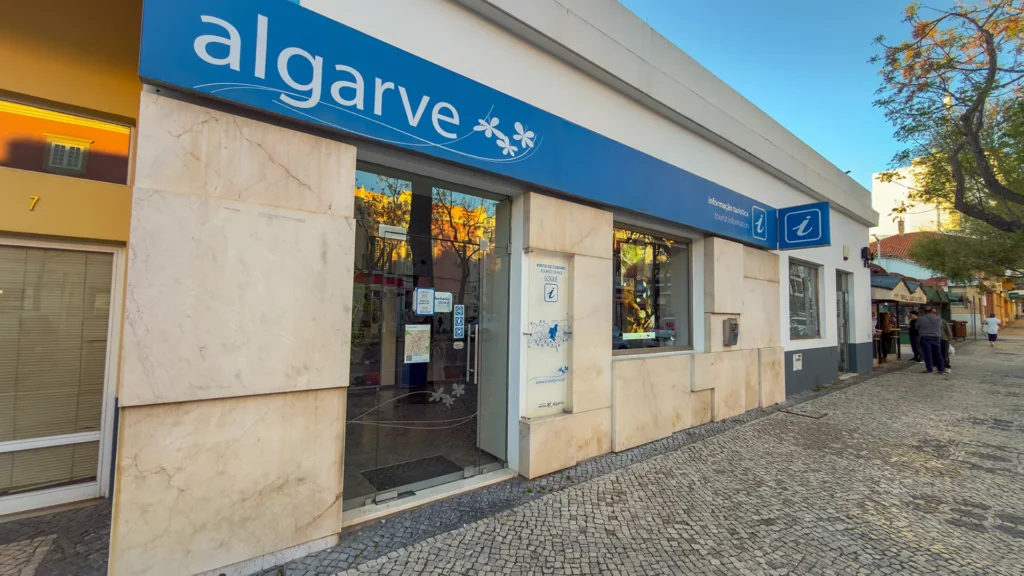
Tourist Information in Loulé: Two Different Centers
Loulé has two tourist information centers, and they serve slightly different purposes.
The main visitor center, located just off the central streets on Avenida 25 de Abril, functions as a traditional tourism office. It’s the place to go for maps, general guidance, and help navigating the town or the wider Algarve.
Inside the Mercado de Loulé, you’ll find a second information point tied to the Geoparque Algarvensis. This space leans more toward interpretation, offering insight into the region’s geological landscape and how Loulé fits into it.
It’s an easy detail to overlook, but useful to know. If you’re simply orienting yourself, the main office is the better starting point. If you’re curious about the deeper story of the region, the Geoparque center adds a different layer.
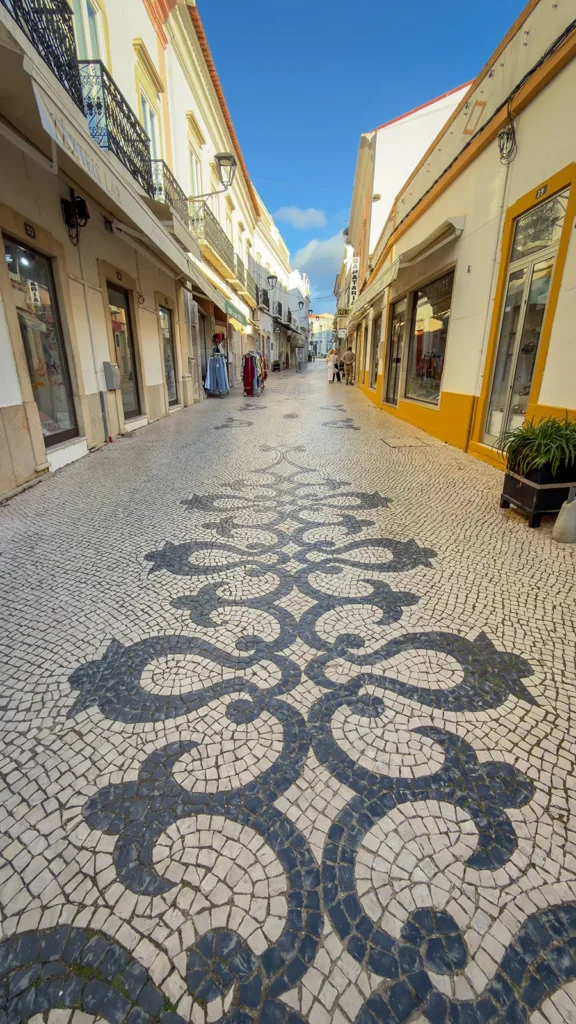
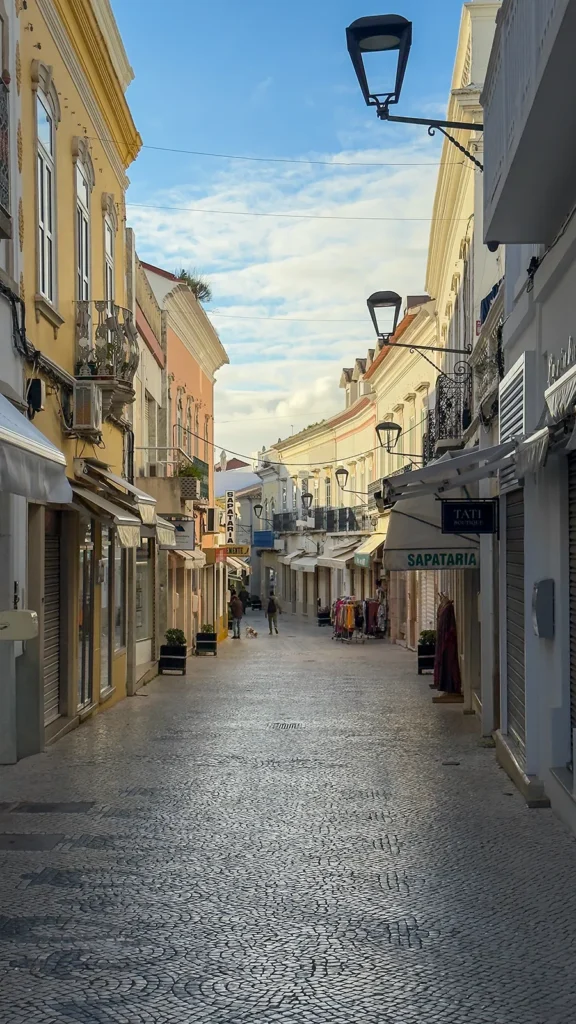
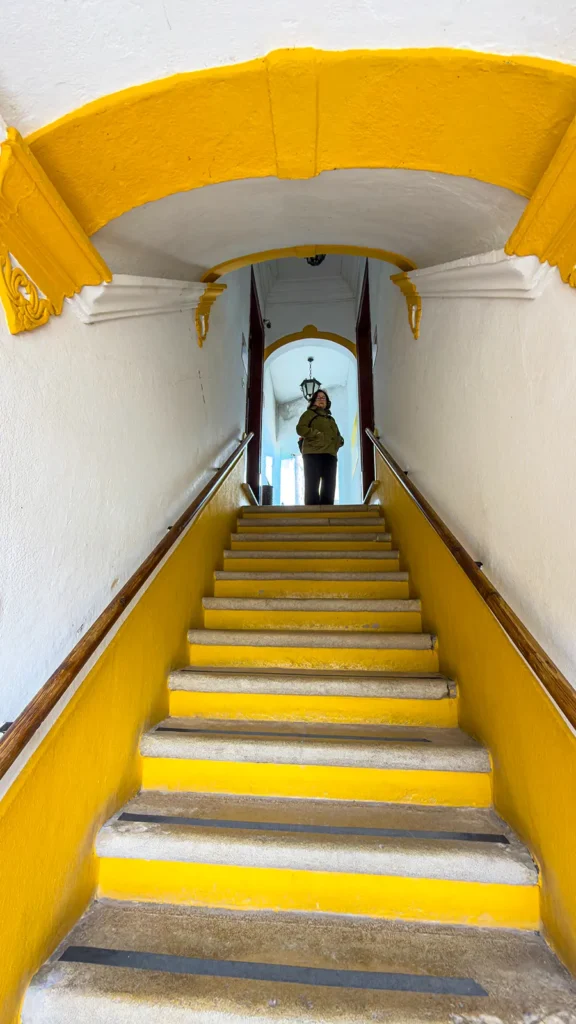
Is Loulé Walkable in Winter?
Loulé is one of the easier historic towns in Portugal to explore on foot, but it still asks you to pay attention. The center is relatively compact, and the terrain is gentler than what you find in hillier cities like Lisbon or Porto. There are some gradual inclines and narrow streets, but the town never feels punishing to walk.
Most of the key sights are close together, and winter makes the experience easier. With lighter crowds, open plazas, and a slower pace, there is more room to pause, adjust, and move through the town comfortably.
Is Loulé Accessible for Travellers With Limited Mobility?
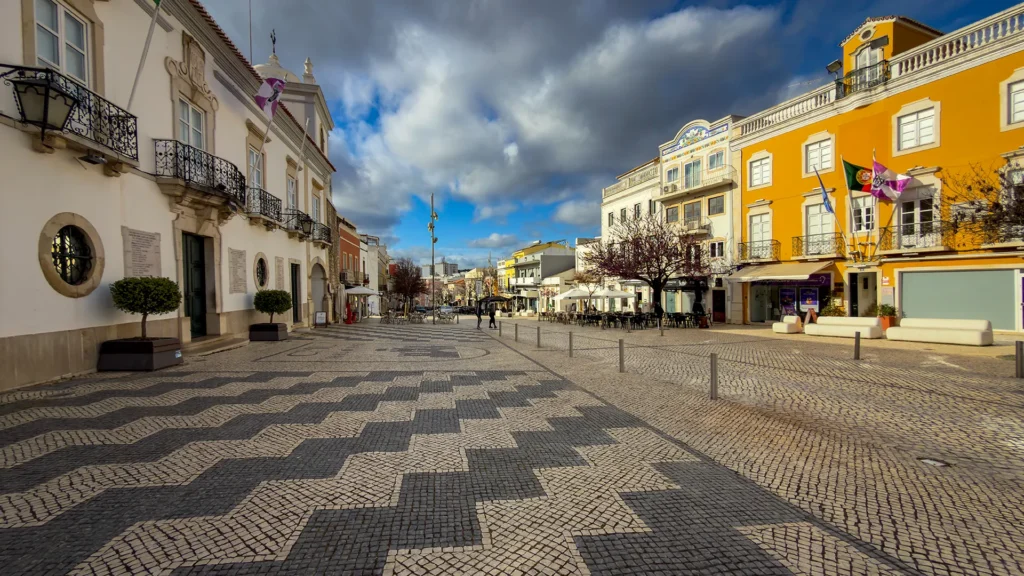
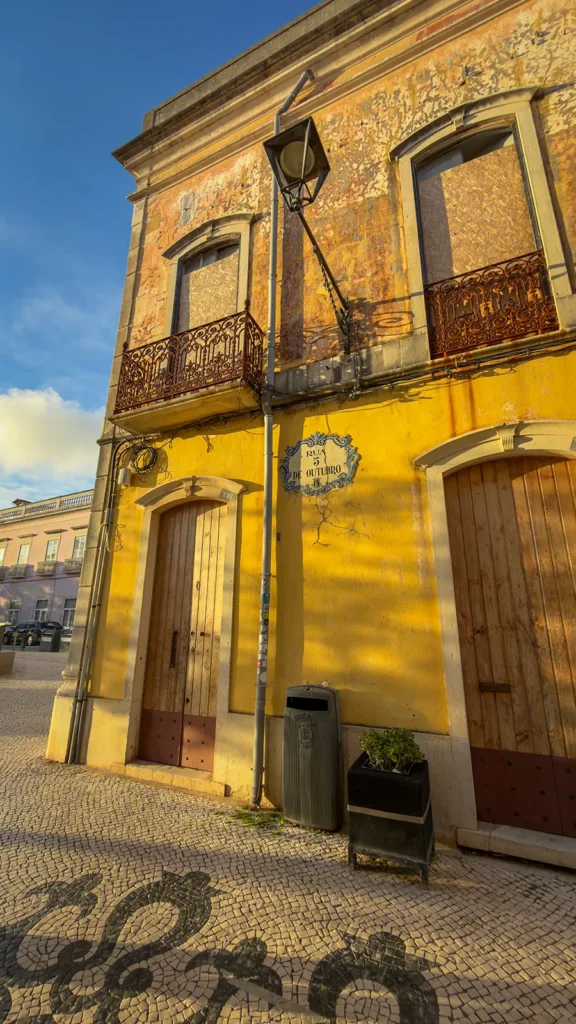
The main thing to watch is the calçada. The patterned Portuguese stone pavement is beautiful and gives Loulé much of its character, but it can be uneven in places and may require extra care, especially after rain or for anyone using a cane.
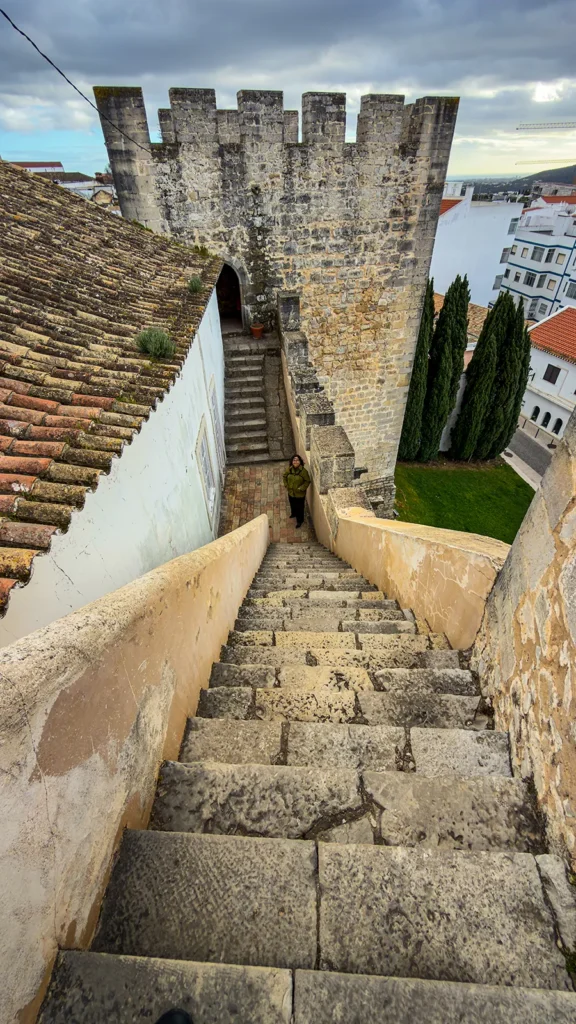
Some individual attractions are more challenging than the town itself. The castle tower involves steep stone stairs, while parts of the Islamic Baths include older surfaces, steps, and changes in level.
Overall, Loulé felt manageable, relaxed, and easier to navigate than many older European towns. It is not fully barrier-free, but for travelers with mild mobility concerns, it offers a good balance of historic character, manageable distances, and practical walkability.
We assess destinations using the Happy Traveler Accessibility Index, which considers terrain, pathways, transportation, access, and crowding.
Things to Do in Loulé in Winter
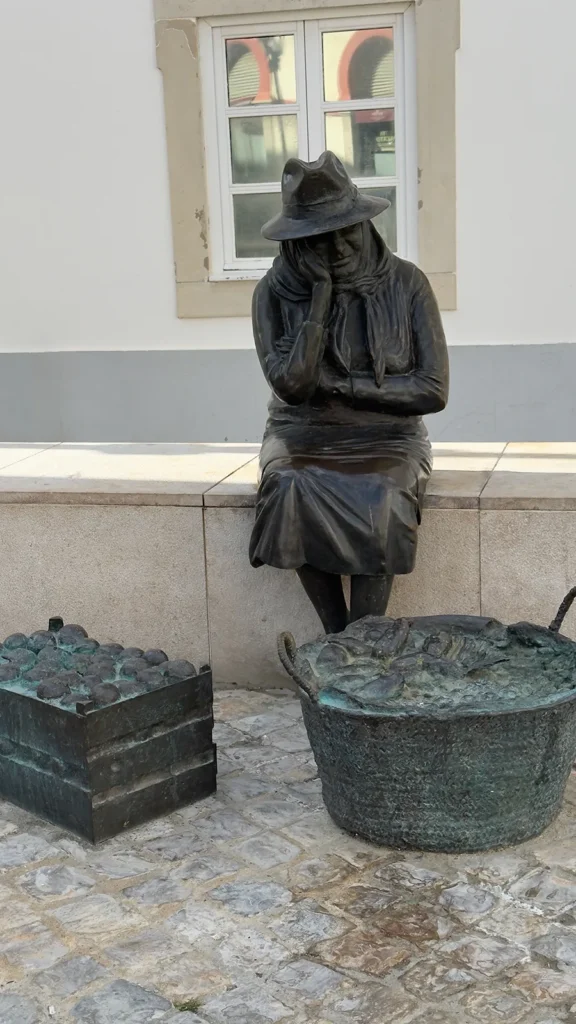
The best things to do in Loulé in winter are simple: start at the Mercado, walk the historic center, pause in a café, visit the castle and its small museum, look for the Islamic Baths, and step inside the Ermida de Nossa Senhora da Conceição.
Time in the Mercado de Loulé becomes less about browsing and more about observing the rhythm of the town. Walking through the historic center reveals its texture gradually—stone underfoot, narrow streets, small shifts in elevation. The castle and the Islamic baths add a sense of continuity, while cafés offer a pause that often lasts longer than expected.
Nothing feels like a must-see. And that’s part of the appeal.
Cafés, Pastries, and the Winter Rhythm
Mornings in Loulé unfold quietly.
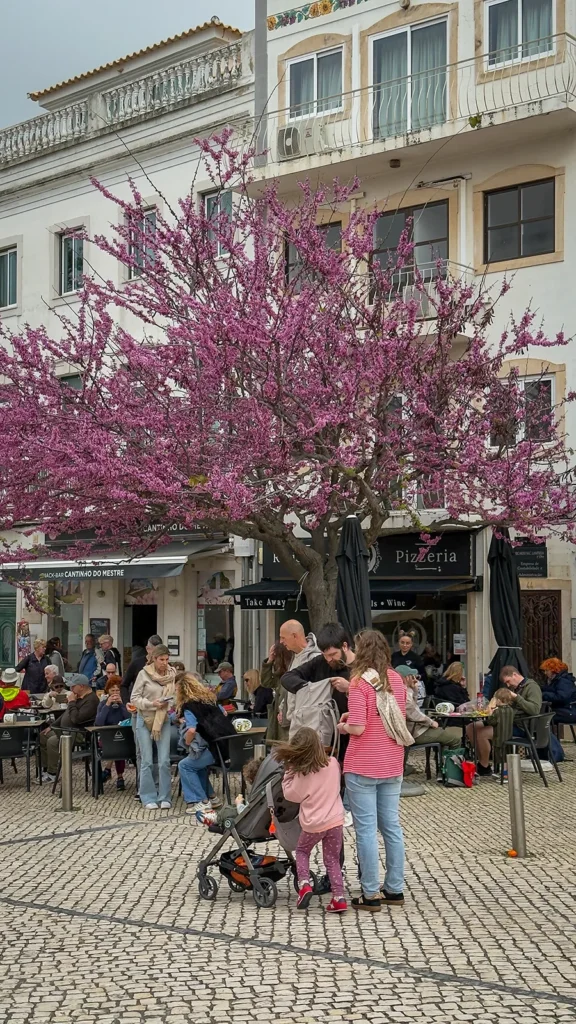
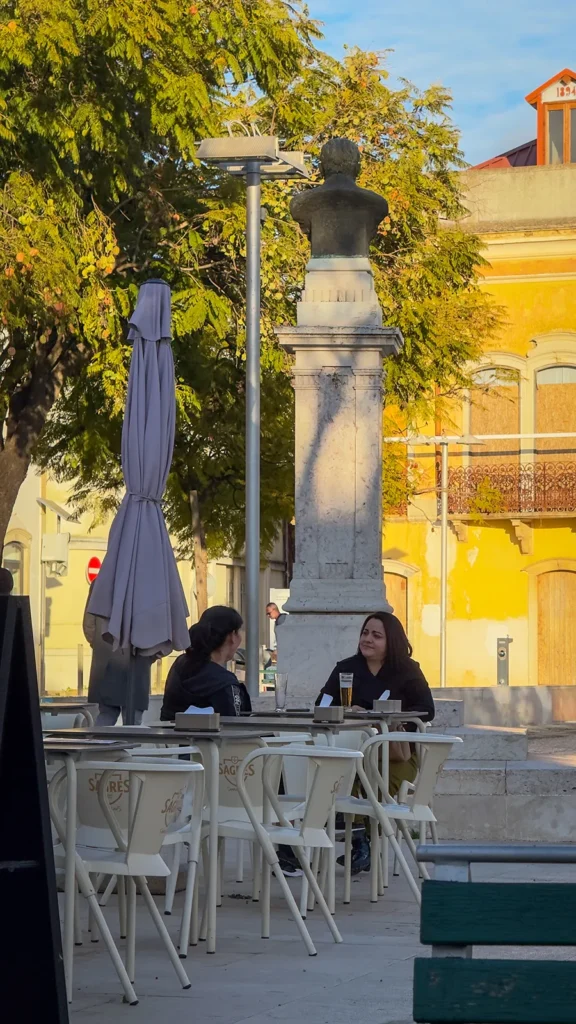
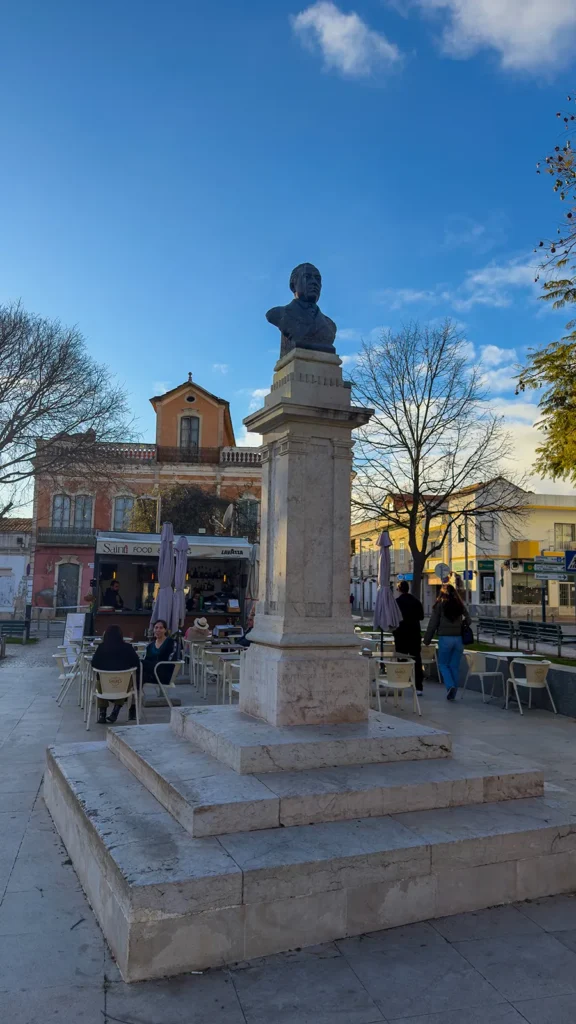
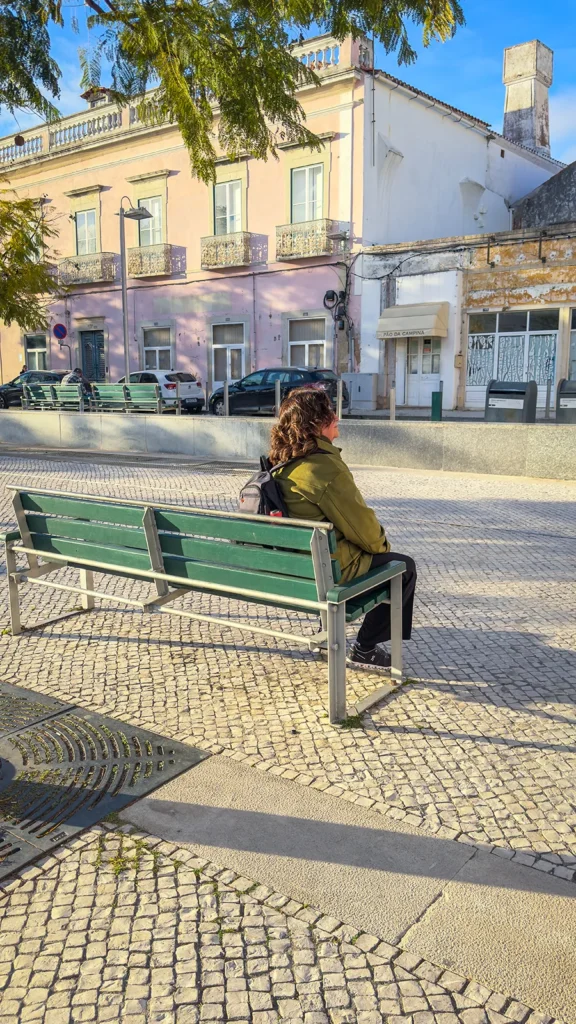
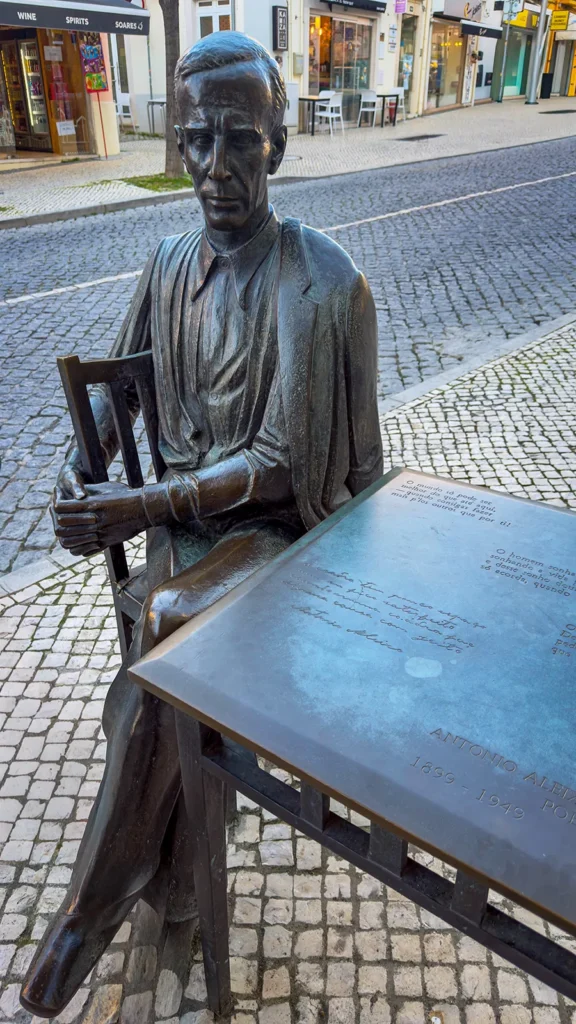
Around Loulé’s central squares, cafés feel less like stops between attractions and more like part of the town’s structure. People linger at outdoor tables, conversations carry across the plaza, and the pace seems to belong to regulars more than visitors.
There’s no rush to turn tables. No sense of urgency. The pace is set by habit, not demand.
In winter, this rhythm becomes more visible. Without the pressure of peak tourism, cafés feel like extensions of daily life rather than service environments.
You’re not just passing through—you’re briefly part of the routine.
Castelo de Loulé and the Historic Core
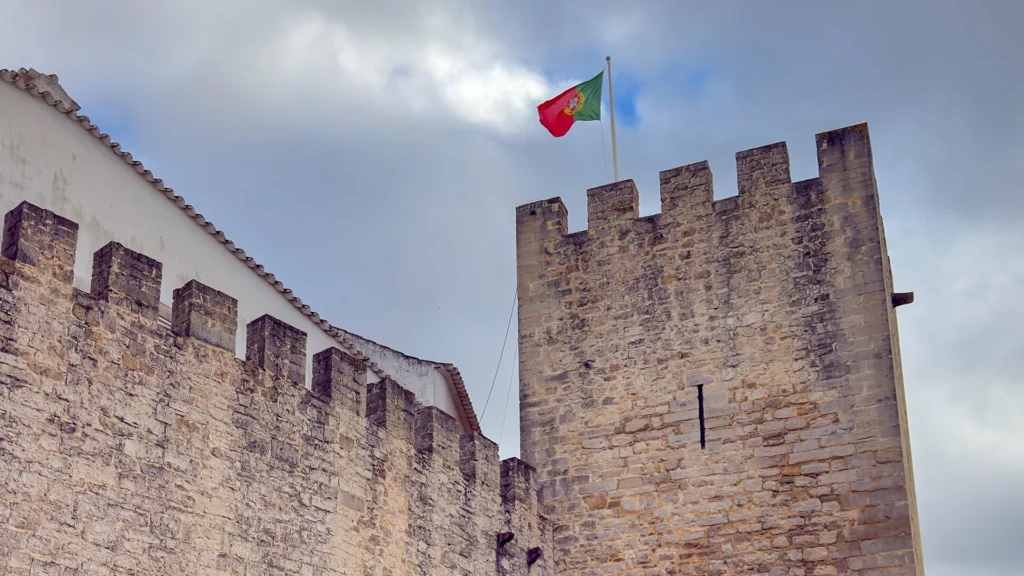
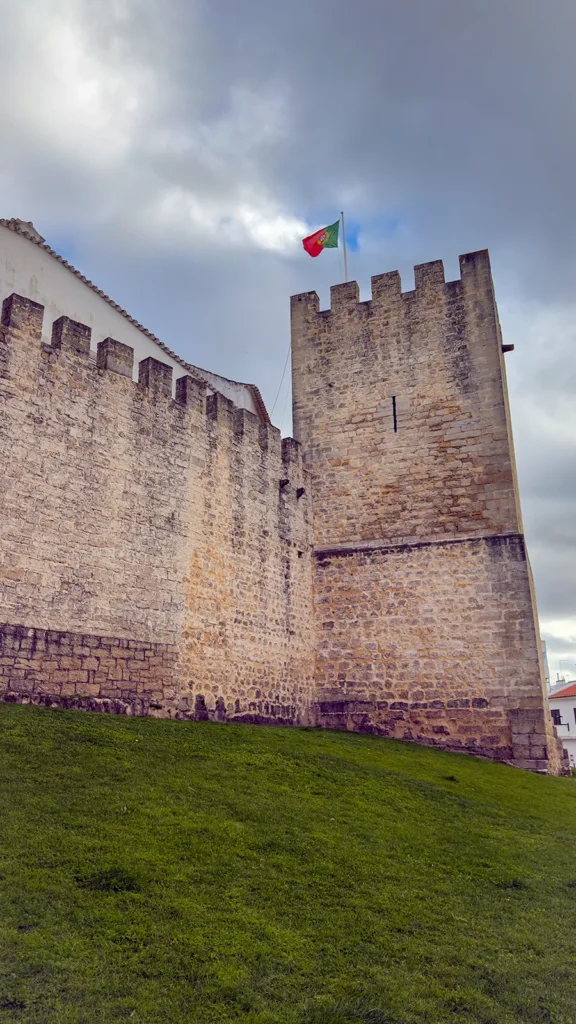
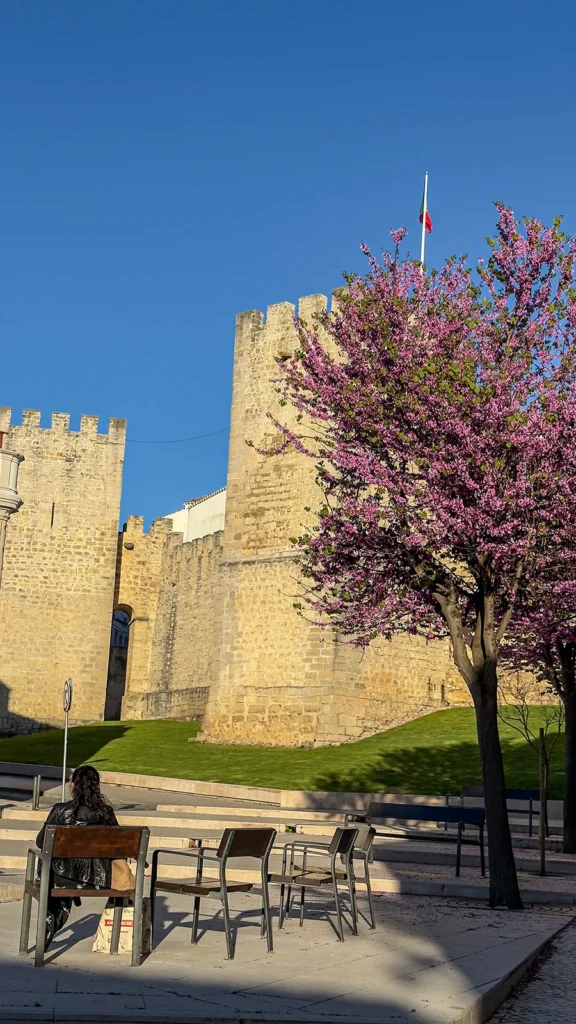
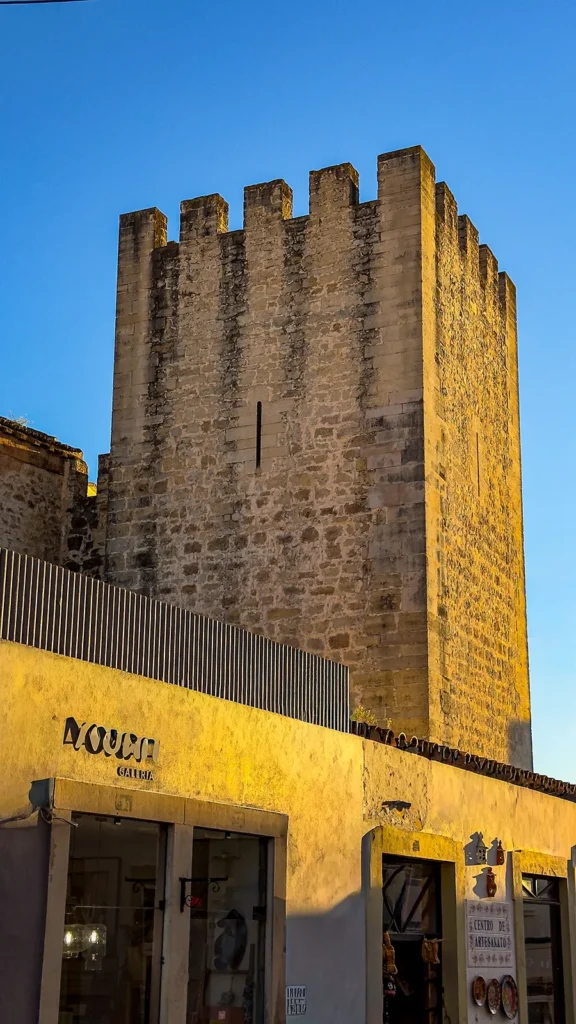
Visiting the castle is one of the most atmospheric experiences in wintertime Loulé, especially when softer light settles across the stone walls. Loulé’s castle doesn’t dominate the skyline. It reveals itself gradually, part of the town rather than set apart from it.
Dating back to the medieval period, the Castelo de Loulé reflects layers of occupation, including its Moorish past. What remains is modest in scale—but that’s part of its character. You encounter it as you move through the town, not as a destination to check off.
Walking the Walls and Tower
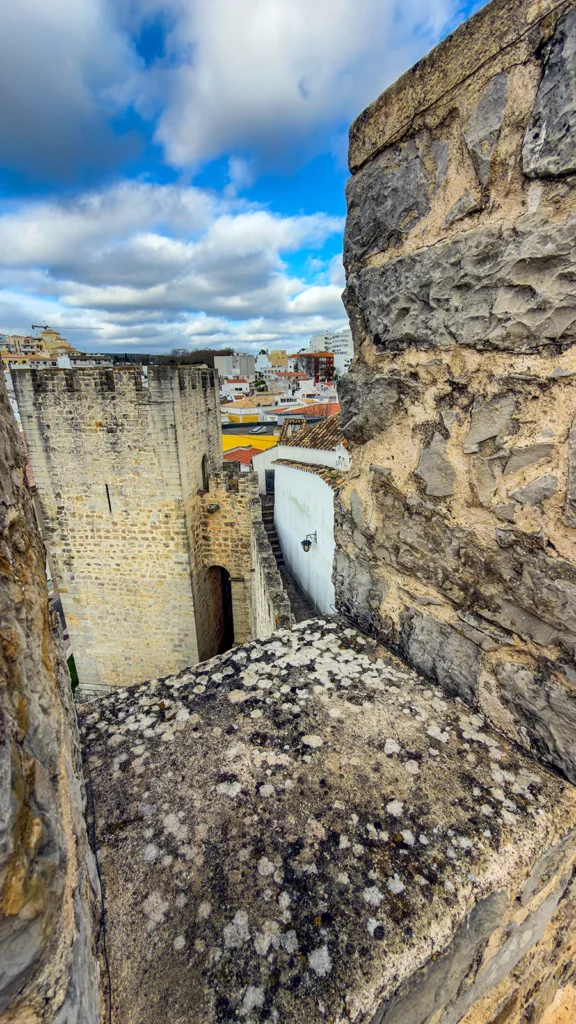
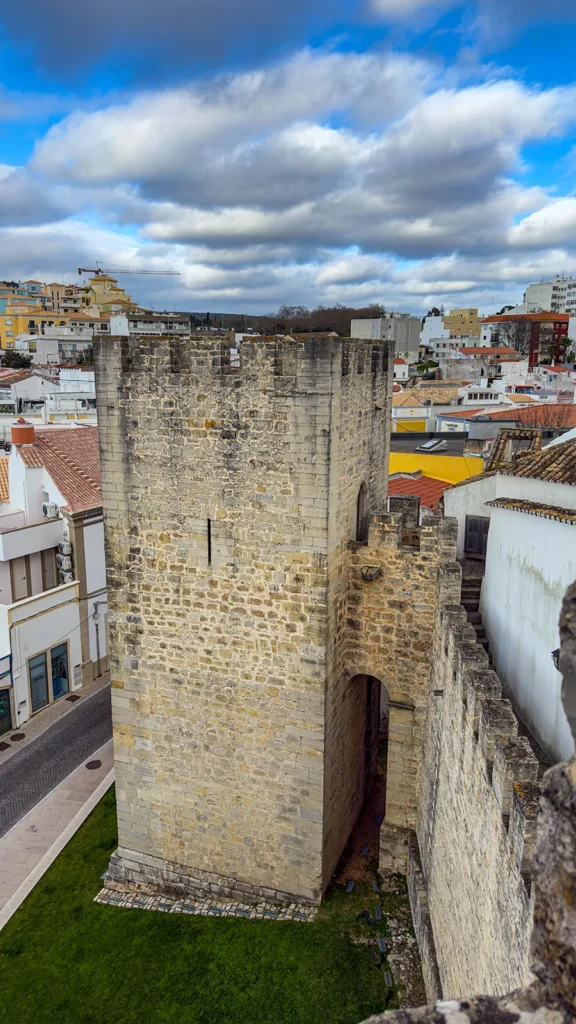
Inside the walls, the atmosphere shifts. Climbing the final steps toward the tower, it wasn’t the view that stayed with me—it was how contained the town felt from above. It’s quieter. The texture of the stone and the way light settles into the courtyard become the focus.
From certain points, you catch glimpses over the rooftops—enough to understand how Loulé sits within the landscape, oriented inward rather than outward.
The surrounding streets follow the same rhythm. They open, narrow, and shift without a single focal point pulling you forward.
It’s not a place you cover. It’s a place you move through, letting it reveal itself one turn at a time.
Inside the Castle Museum
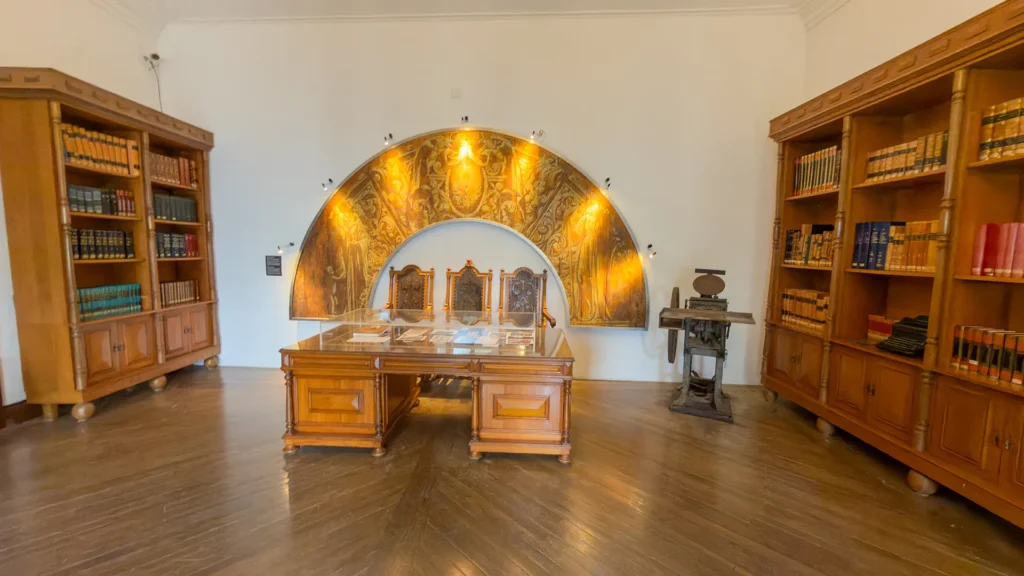
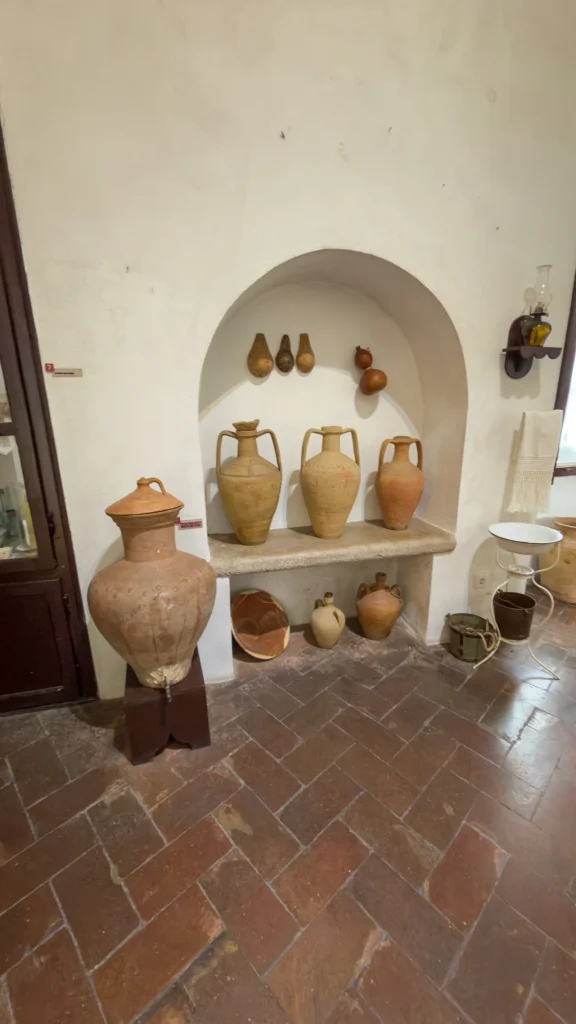
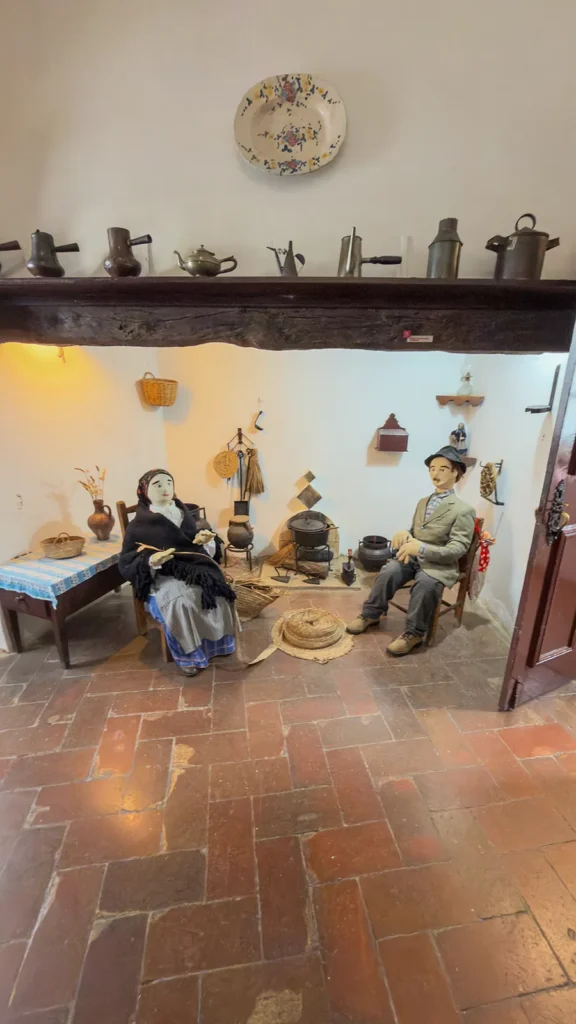
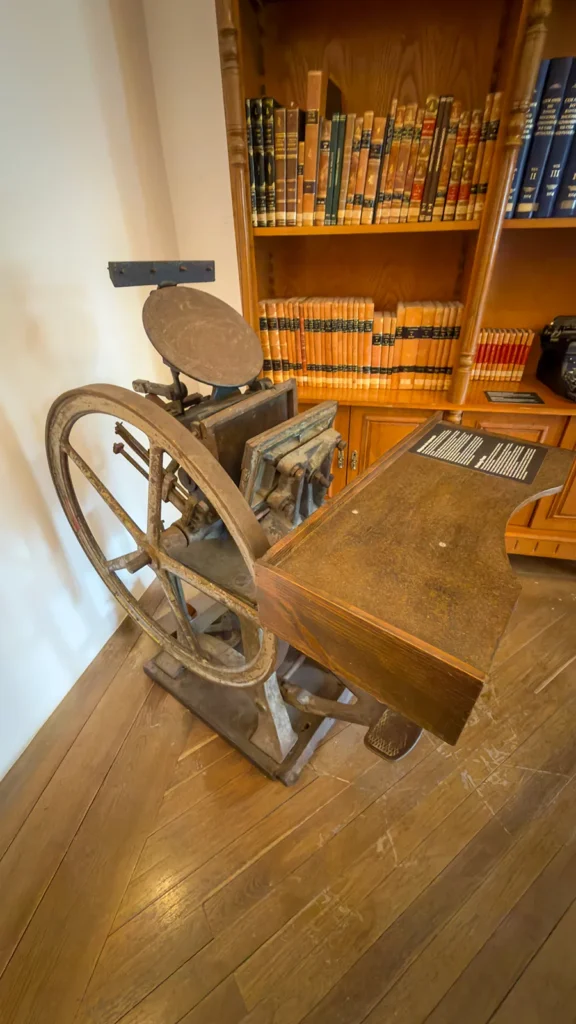
The castle visit also leads into a small museum housed within the historic buildings. The rooms are modest, but they add context to the walls outside. Pottery, ceramics, old books, and everyday objects shift the experience from fortification to daily life. It’s a quieter kind of history, less about battles and more about how people lived, worked, recorded, and remembered.
The Islamic Baths of Loulé: A Hidden Layer Beneath the Town
The Islamic Baths add an unexpected historical dimension to a winter visit to Loulé. You don’t come across the Islamic Baths by accident. It took a bit of searching to find the entrance, which makes the transition inside feel even more distinct. You step into them, leaving the light and movement of the town behind.
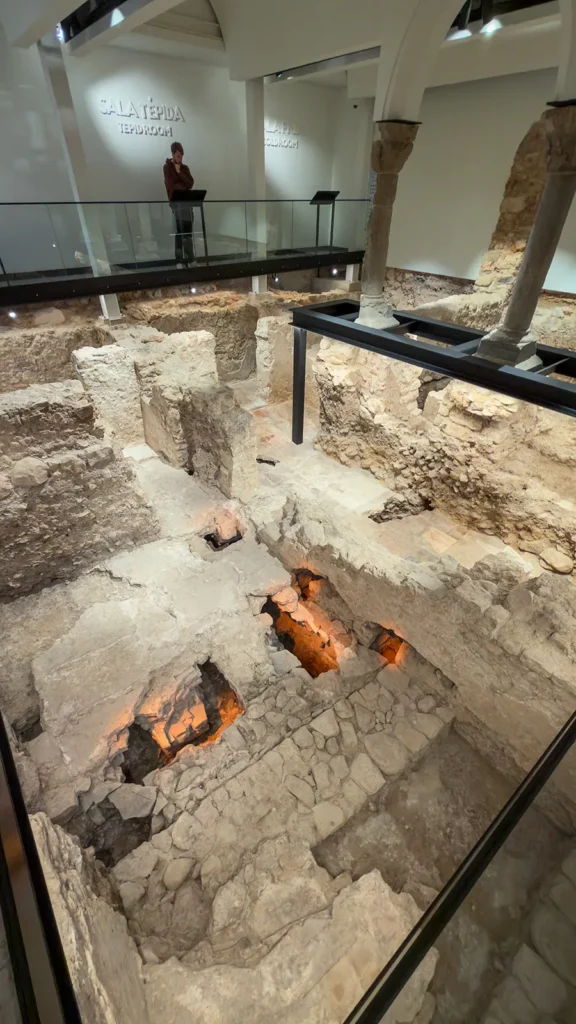
Discovered during restoration work, the Banhos Islâmicos de Loulé date back to the Moorish period. The space is modest, but intact in feeling.
The shift is immediate. Cooler air. Softer light. Stone replacing sound.
It reads less like a ruin and more like a place that once held routine—cleansing, conversation, pause. The structure suggests function shaped by habit, not display.
How the Museum Brings the Hammam to Life
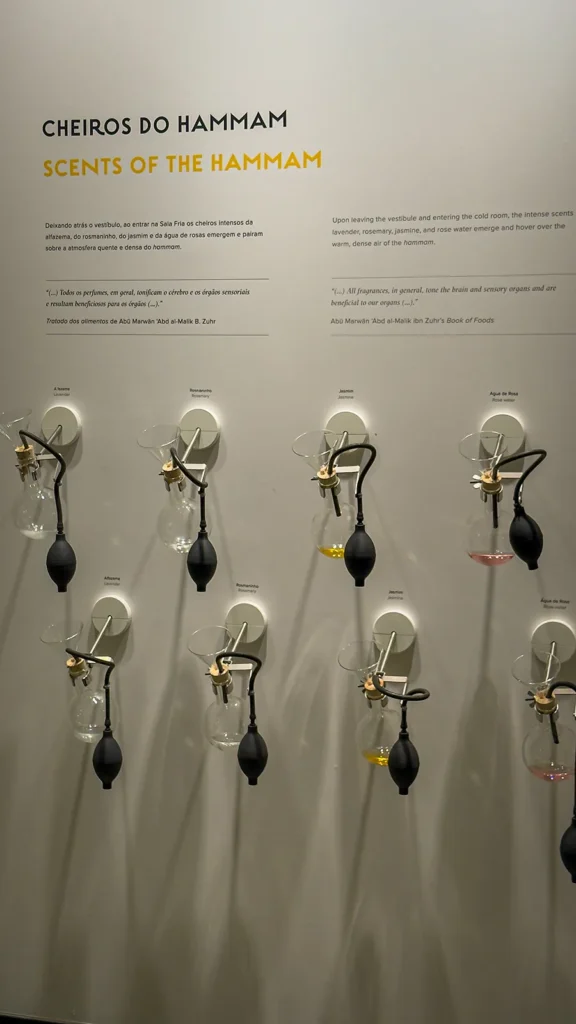
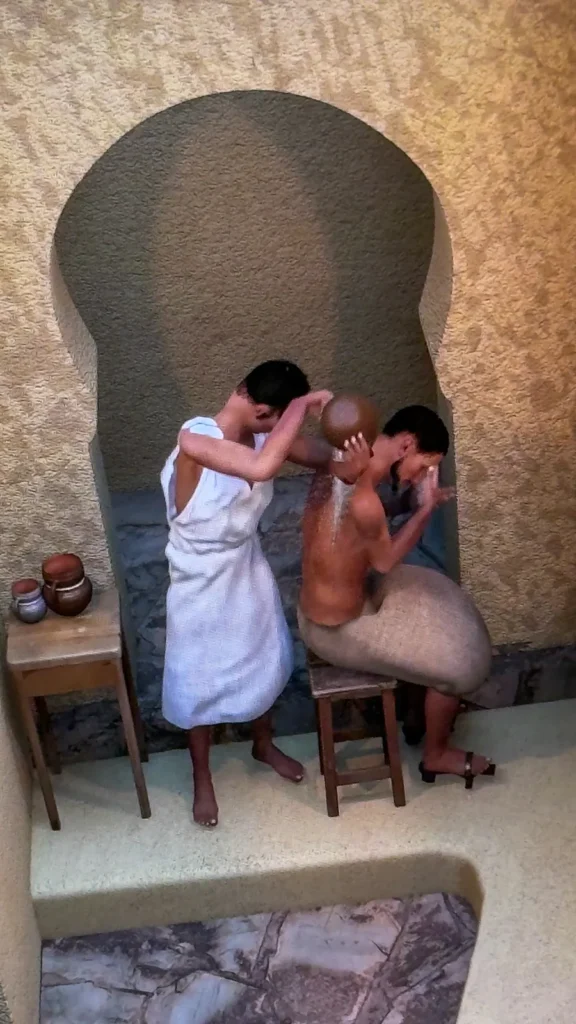
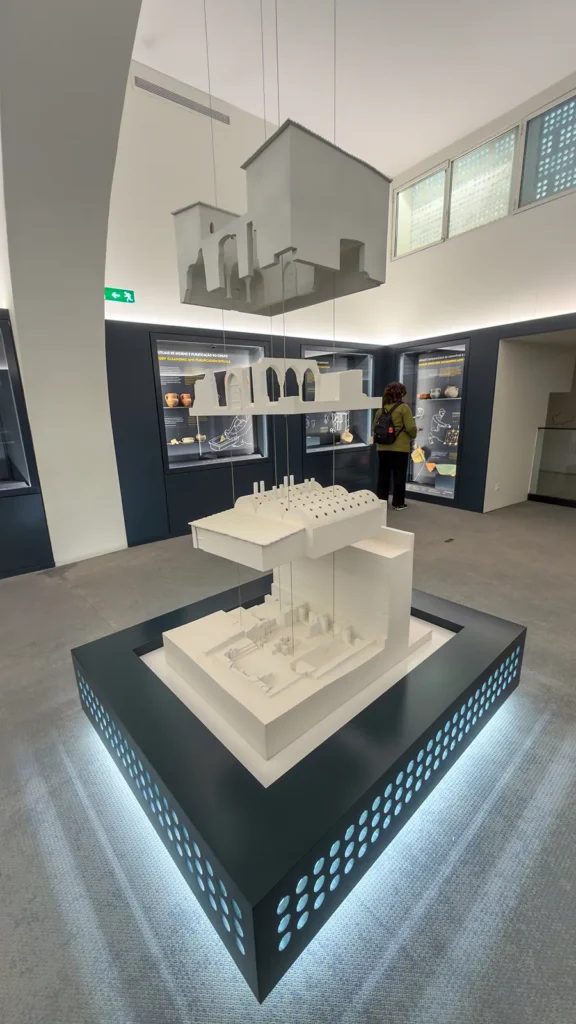
On their own, the stone remains could be difficult to read. What makes the site work is the interpretation around them: room labels, a scale model, sensory displays, artifacts, and reconstructed scenes that help you imagine how the hammam once functioned.
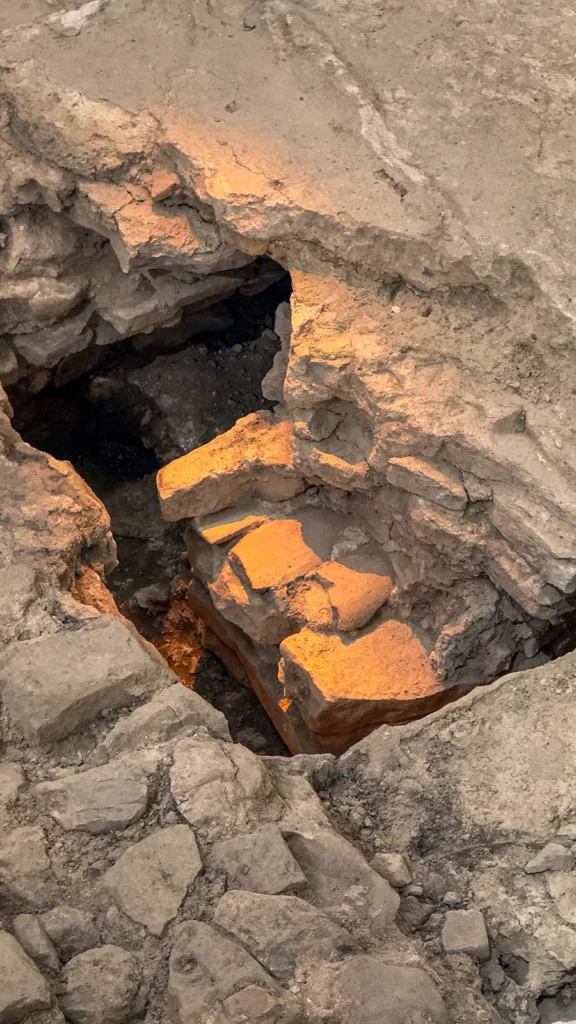
The preserved remains reveal the layout of the medieval bathhouse, including the tepid room, cold room, stone walls, columns, and underfloor heating areas. A closer look at the heating system helps explain how warmth once moved beneath the floors.
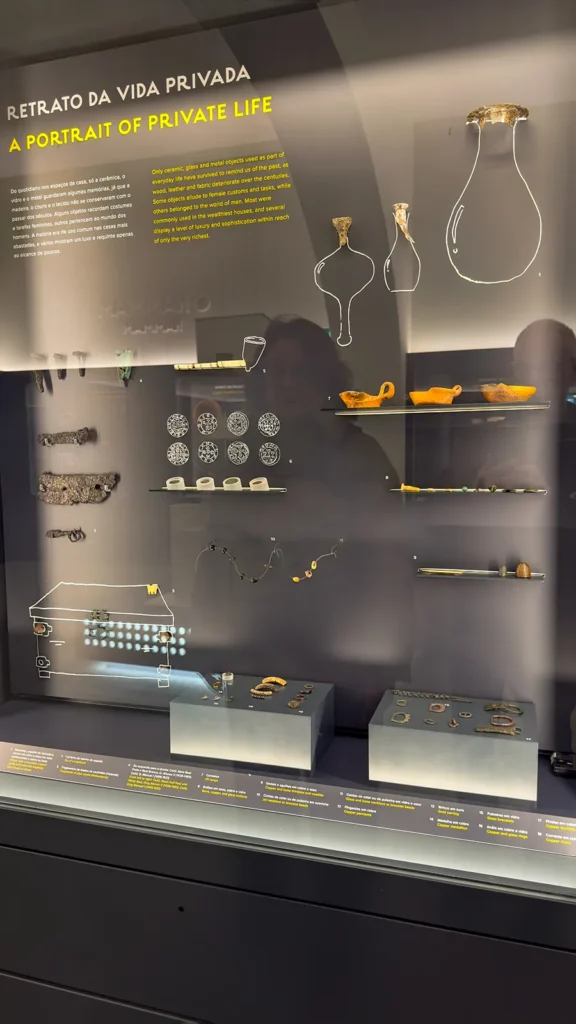
Other exhibits broaden the experience. Scents of the Hammam evokes lavender, rosemary, jasmine, and rose water, while an interpretive display illustrates the cleansing rituals and social role of the bathhouse. Ceramics, coins, jewellery, and everyday objects connect the site to private life in historic Loulé.
What stays with you isn’t scale, but perspective. The town above feels closer to the surface—just one layer over something older and quieter.
In Loulé, history doesn’t always rise above ground. Sometimes, it waits below it.
Step Inside the Ermida de Nossa Senhora da Conceição
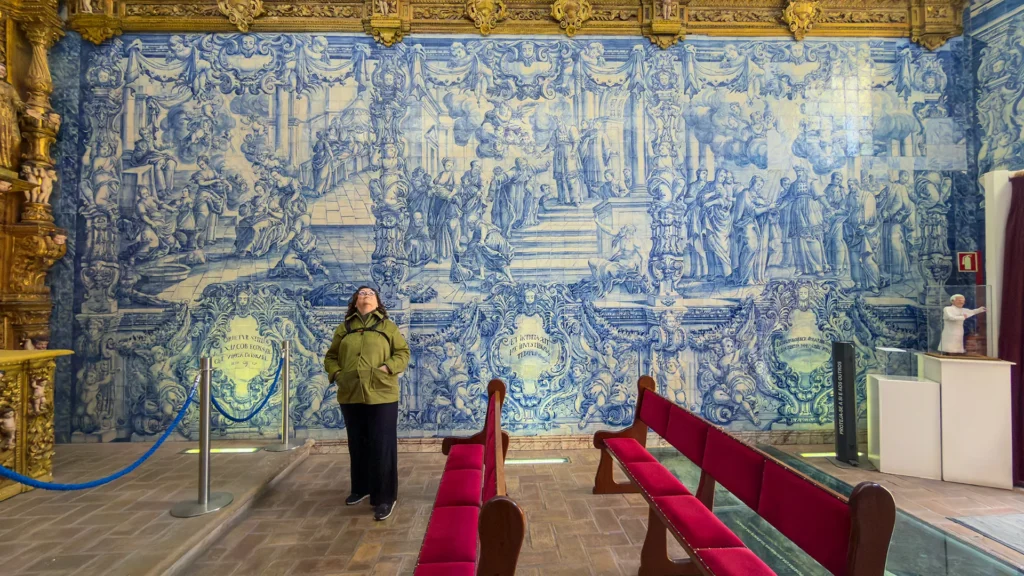
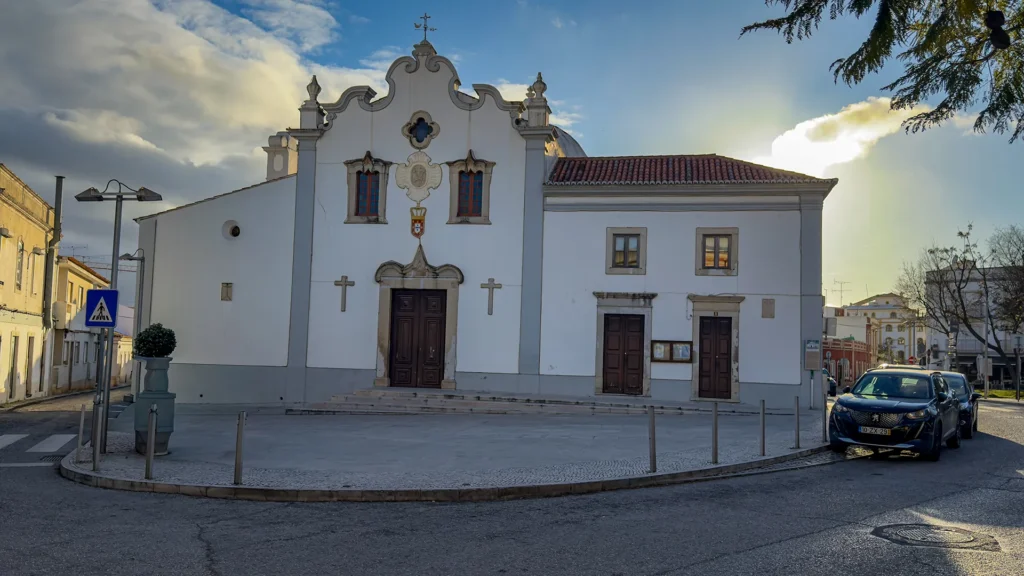
Just beyond the main flow of the historic center sits one of Loulé’s quieter discoveries. The Ermida de Nossa Senhora da Conceição is easy to overlook from the outside, yet stepping through its doors reveals one of the most memorable interiors in town. Intricate blue-and-white azulejo panels cover the walls, transforming a modest chapel into a space rich with history, craftsmanship, and atmosphere.
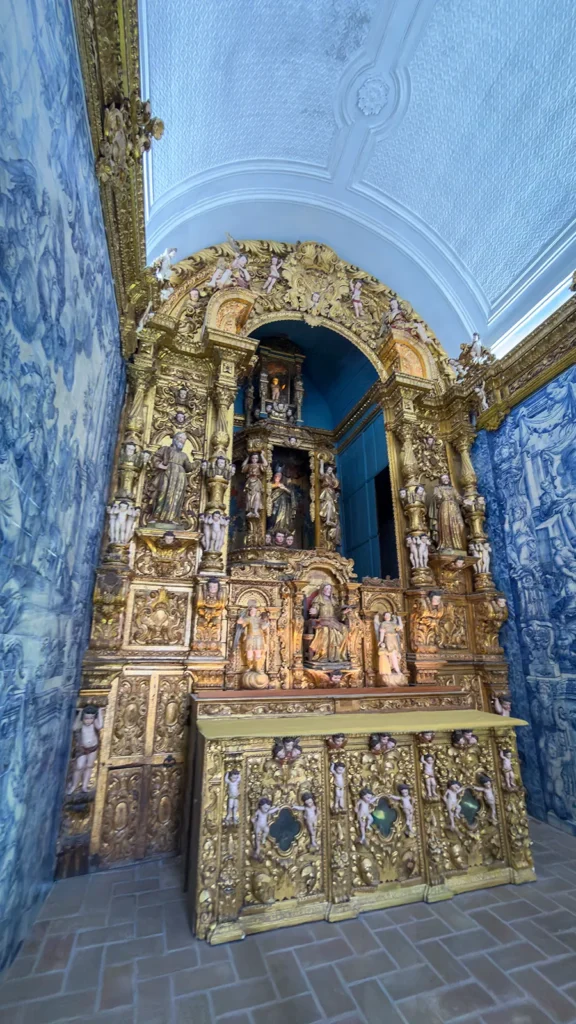
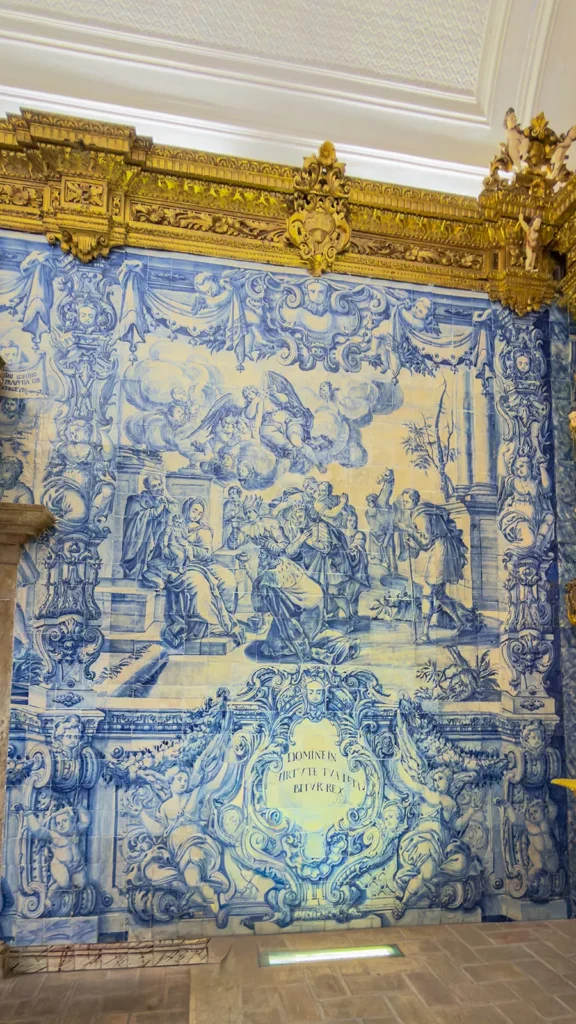
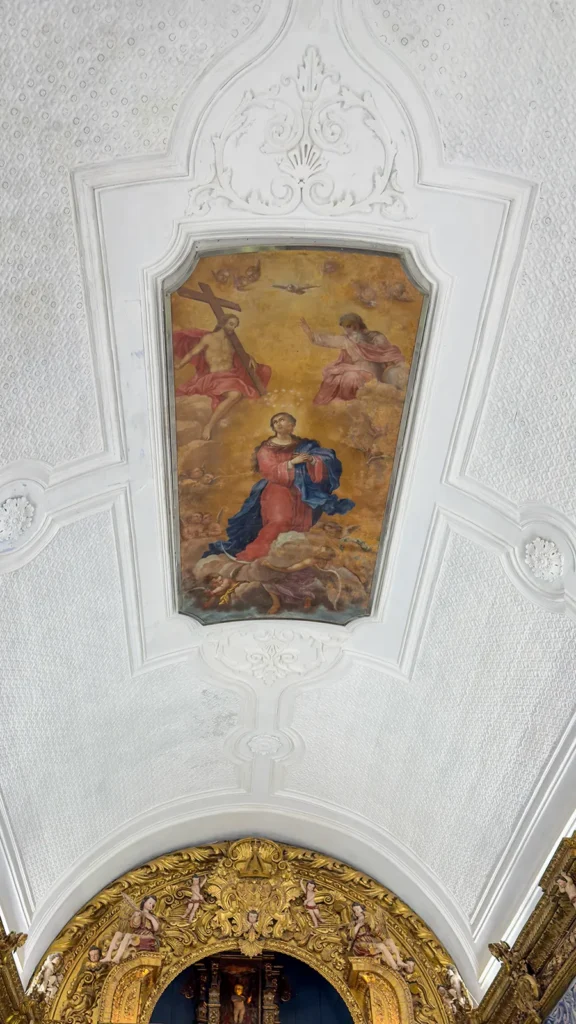
Unlike the castle or the market, the chapel rarely appears on lists of major attractions. That sense of discovery is part of its appeal. It rewards curiosity rather than planning and offers a quieter encounter with Loulé’s cultural heritage.
Why Loulé in Winter Feels Different from the Coastal Algarve
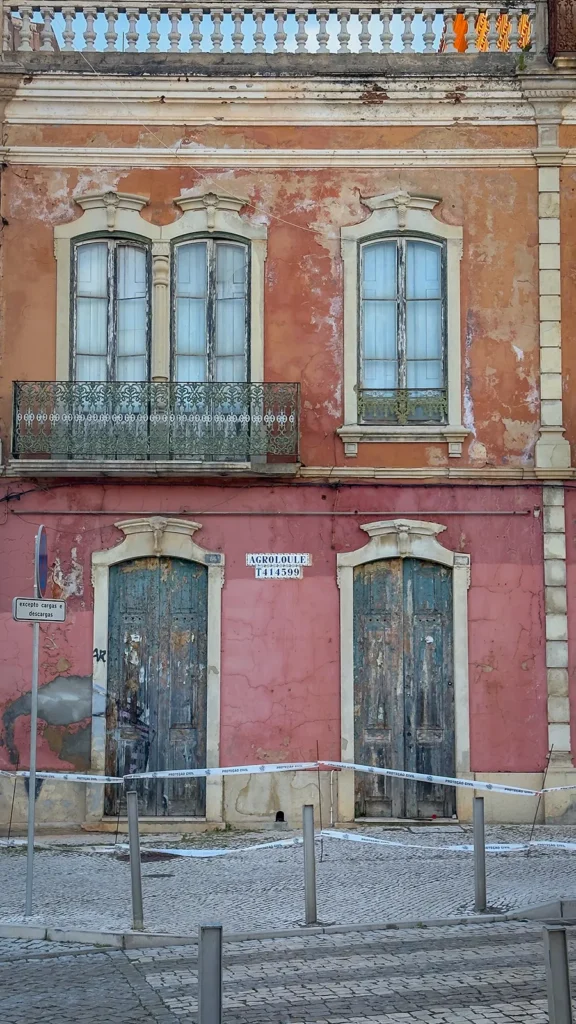
Away from the coast, Loulé shows a different Algarve: pedestrian streets, small shops, patterned calçada, weathered façades, and plazas where people still gather in winter.
This is not the Algarve of beach promenades and resort rhythms. It is more ordinary than that, and more revealing.
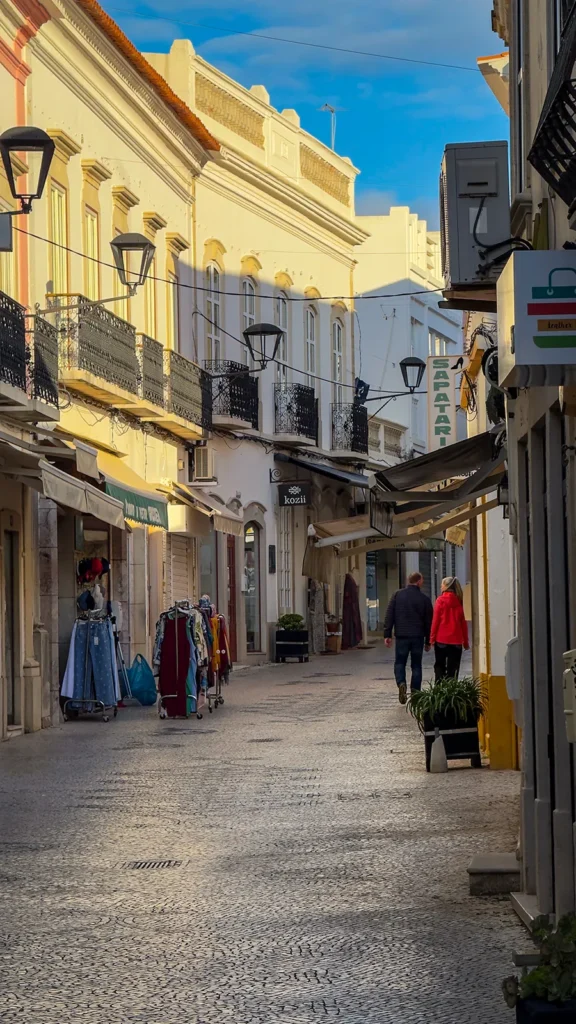
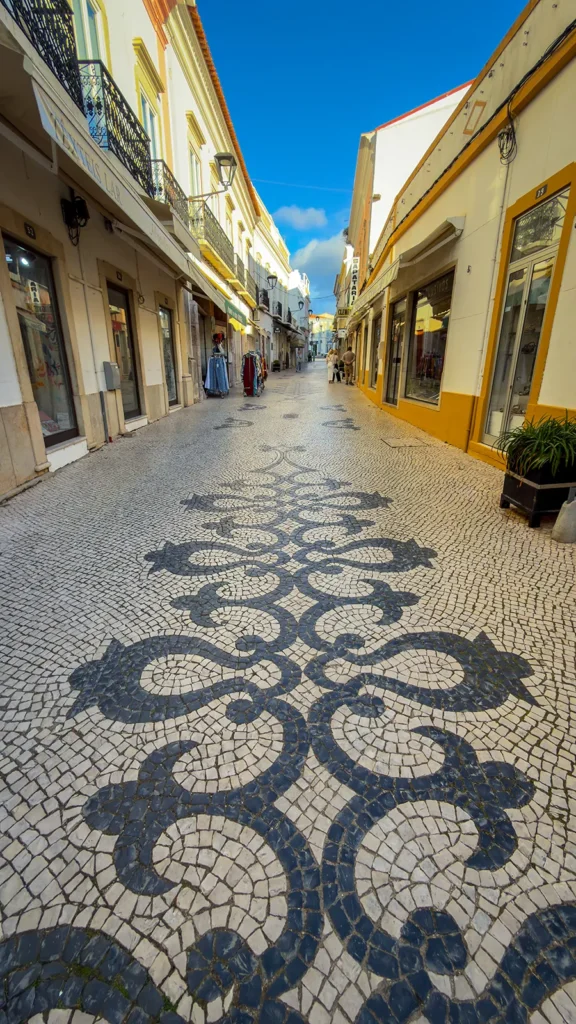
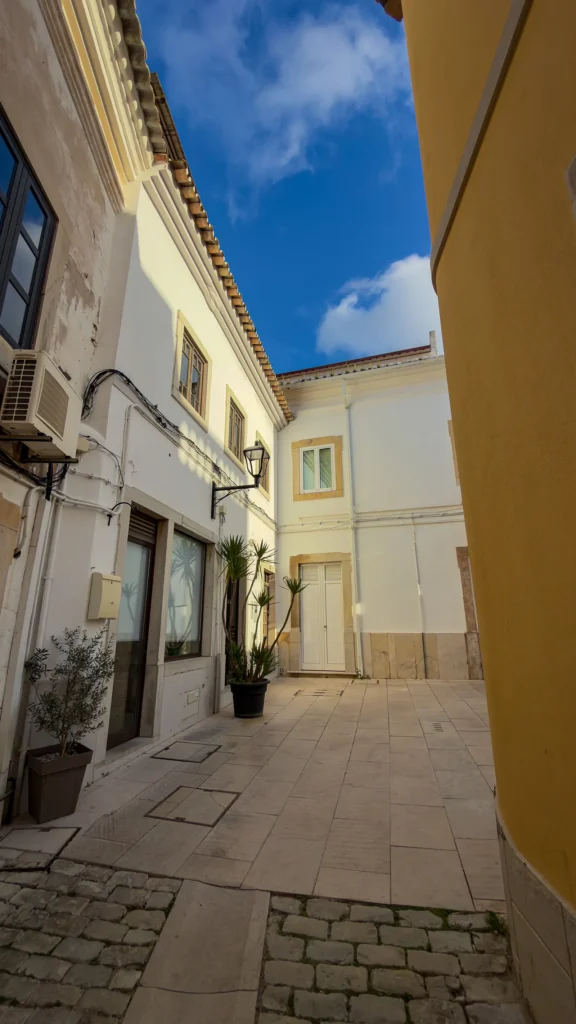
Daily life continues here without interruption. Shops open in the morning. People move through the streets with purpose. Conversations happen in Portuguese, not as a performance, but as a default.
This is the Algarve in winterThe Algarve in Winter: A Snowbird’s Guide to Sun, Seafood, and the Best Coastal Towns without the framing of tourism.
And in winter, that difference becomes easier to see.
Planning a Winter Day Trip to Loulé
Loulé also works well as part of a wider Algarve winter stay. Faro in winter offers a more urban rhythm, Tavira brings riverside calm, and inland villages reveal an even quieter side of the region.
But Loulé has its own consistency. Returning at the end of the day brings you back to a town that feels steady, lived-in, and rooted in its own routine.
If you’re planning to remain near Loulé for dinner, A Quinta offers a refined contemporary dining experience outside the historic centre. We enjoyed it enough to return thirteen days after our first visit.
Who Loulé in Winter Is For
Loulé works best for travelers who value presence over activity. It’s the kind of place where you notice more the longer you stay.
It suits those spending extended time in the Algarve. Those returning for a second or third visit. Those interested in how places feel, not just what they offer.
It may be less ideal for first-time visitors looking to cover multiple highlights quickly, or for travelers who require consistently flat, even walking surfaces.
Loulé in Winter, Portugal: A Place That Doesn’t Perform
Some destinations are built around moments. Others are built around continuity. Loulé belongs to the second group.
In winter, it doesn’t shift to meet expectations or reshape itself around visitors. It continues, steady and unremarkable in the best sense of the word. The market opens, cafés fill, and the streets follow their usual rhythm.
That consistency is what defines the experience. There’s no need to chase highlights or assemble a list of must-sees. The appeal comes from being there long enough to notice how the town moves, how it holds its pace, and how little it depends on the season to define it.
What makes Loulé in winter memorable is not a single landmark, but the way the town’s market, streets, cafés, and history remain connected to daily life.
Loulé doesn’t perform. It simply continues. And in that continuity, something more lasting begins to take shape.
FAQ: Loulé in Winter
Is Loulé worth visiting in winter?
Yes—particularly if you’re looking for a more grounded experience of the Algarve. Loulé doesn’t shift dramatically with the seasons, so what you see in winter is very close to how the town actually lives.
What is Loulé known for?
It’s best known for its market, its Moorish roots, and a strong sense of local continuity that’s still visible in daily life.
Is Loulé walkable?
It is, but with some nuance. The historic center includes cobblestone streets and gentle slopes, so it rewards a slower, more attentive pace.
How far is Loulé from Faro?
Roughly 20 minutes by car, making it an easy inland contrast to the coast.